
1st Meeting of the Spanish and Portuguese EAFP Branches IIM-Vigo, September 6th, 2024
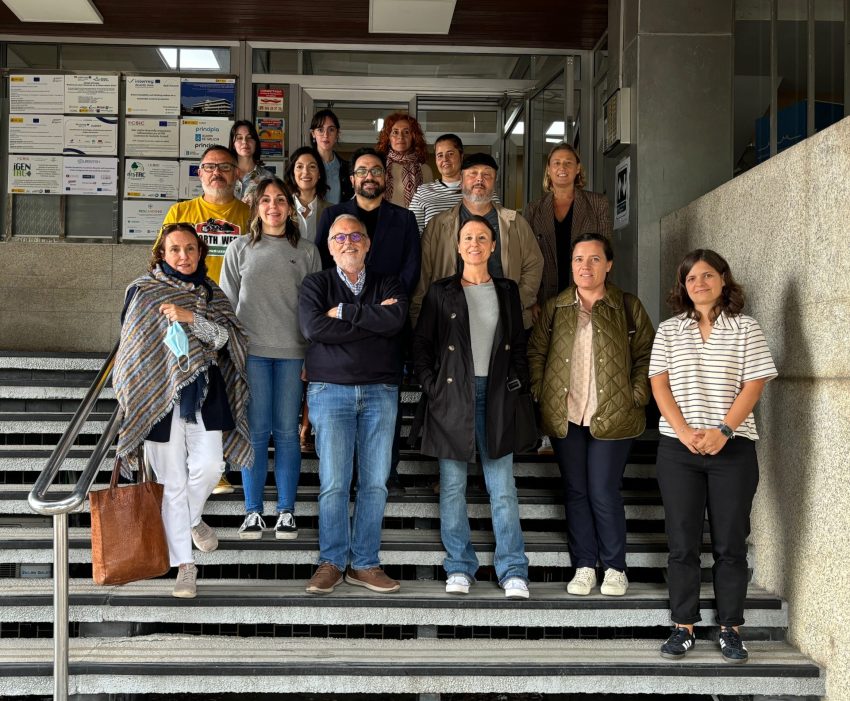
The recent meeting held in Vigo featured a series of comprehensive presentations on fish and aquatic animal health, emphasizing pathogen impact, immune responses, and environmental influences.
- Key note. Hologenomic Approaches to Fish Vaccines
The key note by Gallardo-Escárate focused on the hologenomic approach, which considers the entire genomic interaction between fish hosts, their microbiomes, and the surrounding environment. This field holds promise for vaccine development in aquaculture by identifying microbiome-related pathways and environmental factors that affect disease susceptibility in fish, potentially leading to more robust and targeted vaccines. - Virus and Bacteria Session
Several talks focused on exploring advancements in polymerase chain reaction (PCR) techniques, specifically digital PCR, for detecting viruses in marine environments. Digital PCR allows for highly accurate quantification of viral particles, which is crucial for monitoring disease spread in aquaculture settings.
Other examines how viral infections disrupt the microbiome balance in fish, often weakening their immune system and making them susceptible to other pathogens. The findings contribute to understanding pathogen-microbiome dynamics and the importance of microbiome stability for fish health. - Parasites in Marine Mollusks
In this session there were talks on how parasites, such as Perkinsus and Marteilia, interact with marine hosts, especially bivalves like oysters and mussels. Covering host immune responses, environmental factors that exacerbate parasitic infections, and management strategies in aquaculture. - Environment, Stress, and Immune System
The talks in this session examined immune modulation in fish, focusing on how environmental stressors (such as temperature fluctuations and viral exposure) impact immune response and resilience. Using species like turbot as case studies, pathways involved in stress responses, providing insights that can inform strategies to reduce stress-related immunosuppression in aquaculture. - Abnormal Marine Species Mortalities
There were talks on unexplained mass mortality events in marine invertebrates like sea urchins and starfish, often caused by a combination of environmental factors and pathogens. The contributors discussed histopathological techniques to identify the underlying causes of mortality, as well as the broader ecological and aquaculture implications of these events. - Each of these works offers a different angle on fish and aquatic pathology, covering topics from molecular techniques in pathogen detection to ecosystem-level impacts on marine organism health.
Please click here for the meeting agenda.